Brightland Resort & Spa: A safe haven amidst the Pandemic

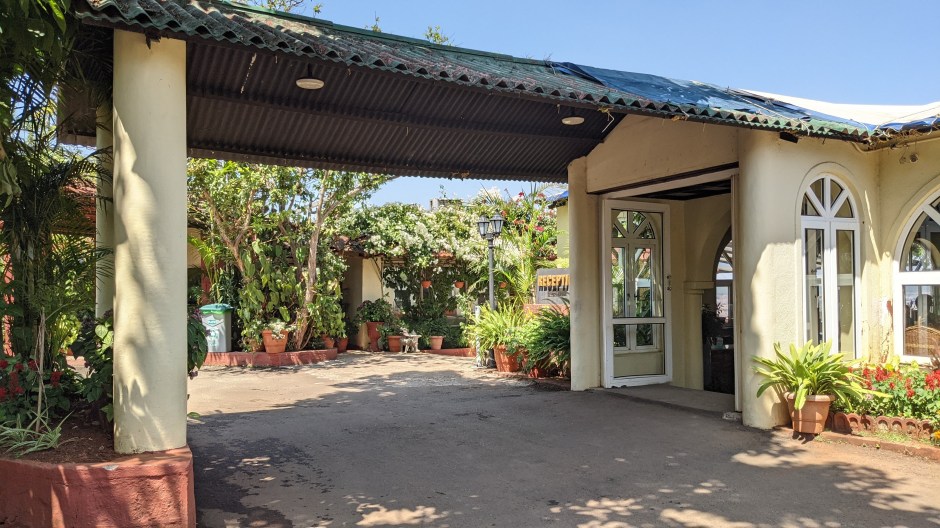
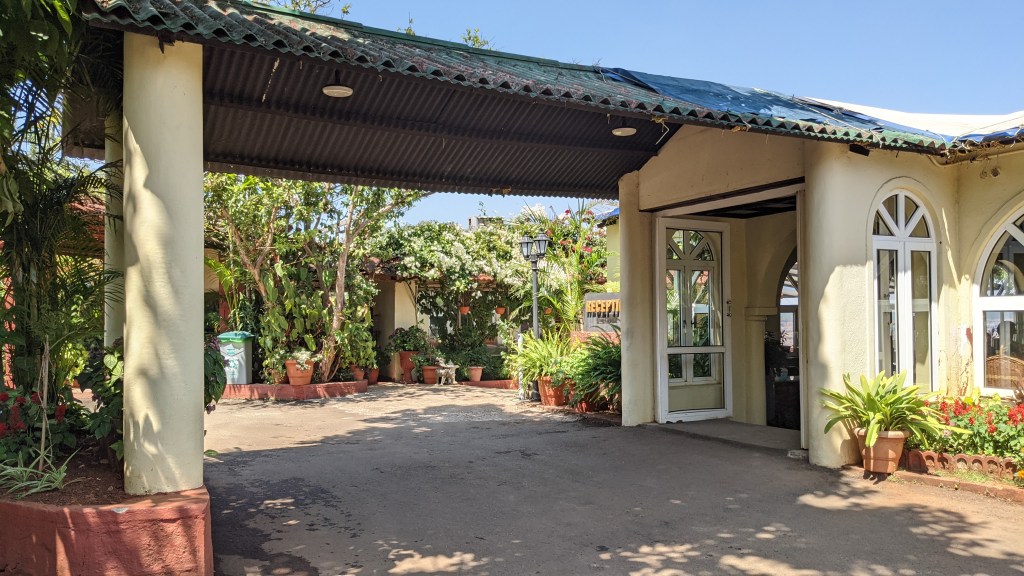
Hotel entrance © Travelogue90

2020! What a year it has been! One cannot think of anything beyond the pandemic. On December 31, 2019, everyone thought ‘This will be a unique year for me, just as the number goes 20-20.’ But like a nail-biting T-20 cricket match, it took a U-turn and most of us were left spellbound.

It was a year filled with fear for life, losing a loved one, loss of jobs, financial instability, and other endless negativity. Although we saw many loss of lives and unemployment, a major hit has been to the businesses, be it big or small. The intensity, of course, differs sector to sector, but there are some that have been hit the most and might continue to suffer owing to the uncertainty loop.

Let us see how each of the sectors in India were affected –

  1. Aviation: None of the domestic and international flights were on air for almost 7 months. Even after they resumed, the new variant dashed the hopes of any normalcy.
  2. Tourism: The travel ban, border closures, event cancellations, quarantine requirements, and fear of the spread, have posed extreme challenges on the travel and hospitality industry. Guides, tour operators, hotels, restaurants, and shops, have directly or indirectly taken a hit owing to the pandemic.
  3. Automobile: The automotive industry suffered about Rs. 2,500 crore loss daily and the job loss was approximately Rs. 3.54 lakh. All the major equipment production were cut down by 18 to 20% owing to less demand of vehicles.

One of the prominent industry here is tourism, particularly hospitality. It has been the hardest hit in the pandemic. The total job losses in travel and tourism industry since March 2020, when the lockdown began in India, has been around 5.5 million.

They say there will be over 65% decline in the hospitality industry in 2020-21. But there is a hope for demand with the vaccine in place by the end of 2021-22.

Rewinding to 2021…

We headed to Mahabaleshwar recently. We mustered the strength to travel, despite the spike of cases in Maharashtra again. This time, we ditched the normal touristy things and decided to stay within the resort. We opted for Brightland Resort & Spa. While viewing the property, one of my agenda was also to understand how Brightland faced the pandemic and what different are they doing now against old protocols.

Villas facing the garden © Travelogue90

I happen to speak to the Front Office Manager of the resort, Mr. Joginder. Mahabaleshwar is a top tourist spot in Maharashtra during the winters, i.e., between November to March. It was not the normal visits this time around in Mahabaleshwar though. During my talks with Joginder, he stated “The occupancy levels increased to 70-75% after September 2020. However, with the spike of cases, the levels have again dropped to 25% since February 2021.”

The occupancy levels according to ICRA survey across India saw a drop by by 65% and might witness further drop by 20% in 2021 with the spike in cases. Even the room rates might drop by 70 to 75% according to FY21 RevPAR.

However, like every other hotel, Brightland are taking precautionary measures, “We have con-tactless check-in, where they need to upload their Aadhaar card or any other ID proof, fill some questionnaire concerning COVID-19, etc., via email. Once done, you get the booking order ID on your smartphone.” At the entrance of the hotel, temperature checks and luggage sanitisation are mandatory.
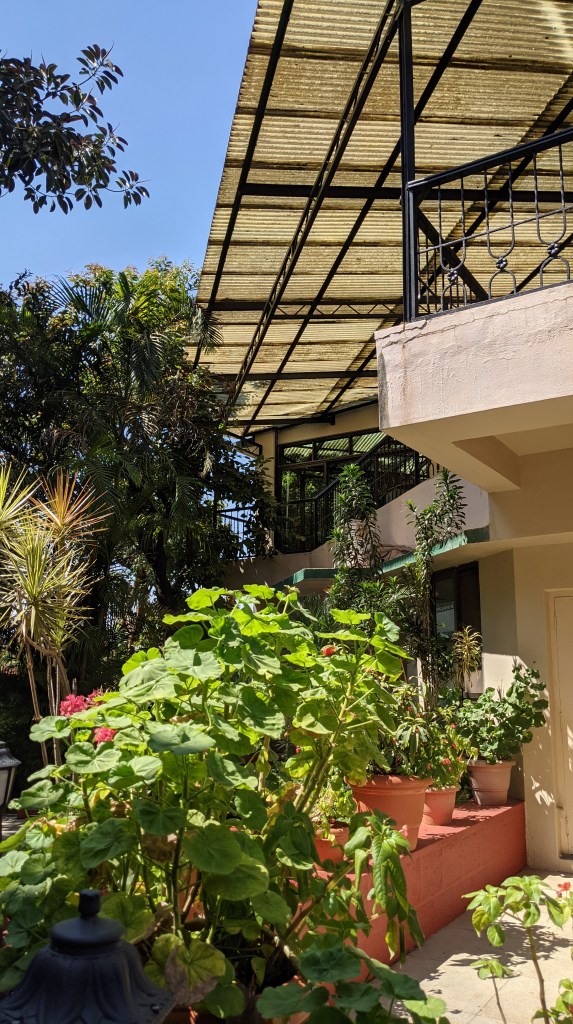
Rooms and Villas in Brightland © Travelogue90

Brightland makes sure even the rooms are in top-notch condition during such times. Joginder mentioned there are touch points in the room. He said, “The housekeeper fogs the room using institutional grade disinfectants and the touch points such as knobs, switches, phones, and remotes, get sanitised. The room gets cleansed and sanitised once in 2 days to avoid minimal contact with the guests. If need be, guests can request for frequent housekeeping services.”

As for room food service, there is no requirement of contact with the staff as the food tray will be left outside the room and can be placed back by the guests once done with the meal. Joginder added, “The room linen gets changed once in 2 days. Meanwhile, the toiletries and soaps get replaced at the time of check-in and check-out. Additional requirements get fulfilled upon request.”

The best part about Brightland Resort & Spa is none of them lost their job during these months. It was upon the staff’s discretion if they were comfortable travelling to the Resort as most of them lived in and around Mahabaleshwar.

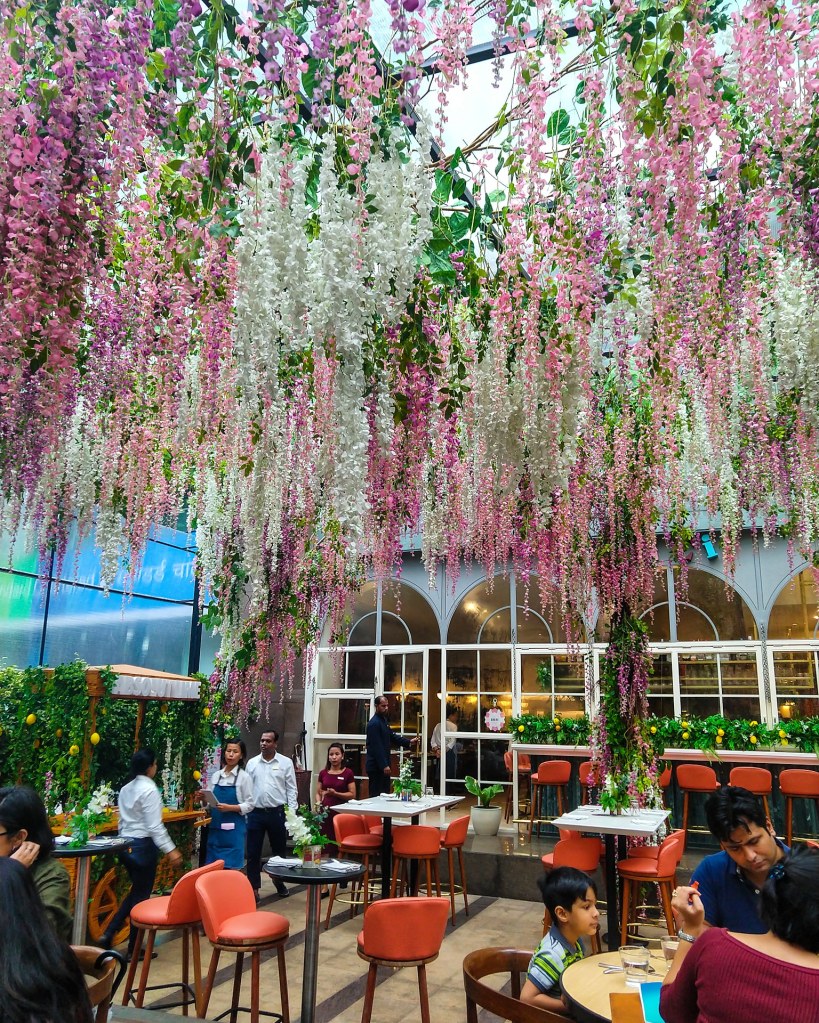
Olive Garden Restaurant at Brightland © Travelogue90

Brightland Resort & Spa have three restaurants at perusal – The Olive Garden that is an all-day restaurant, Angaare which is an Indian Barbeque, and Over The Edge which is an Lounge Bar by the pool side. I noticed immense crowd gathering during the breakfasts as the Resort offers free breakfast with the stay.

The way the crowd was managed is indeed commendable, especially during such times. While coming to take food from the buffet area, the restaurant manager Suresh, asks the crowd to compulsorily wear the mask. In fact, you are not even allowed inside the restaurant without the mask. Even the waiters and chefs wore gloves along with masks at all times.

I appreciated the efforts of Suresh and asked him what is new in the restaurant since the pandemic, “We used to serve food to the guests once it arrives on the table. Now, we just place the food on the table and let the guests serve themselves. Even during breakfast, we make sure the crowd sanitises their hands and wear masks.”

Most of the hotels thrive not only on room services but also the sumptuous meal. We have heard cases of chefs contracting the virus and thereby, the entire restaurant shutting down. Suresh said, “When the restaurant started its facilities in October, we had about 30 chefs. Now, we have full strength and all are comfortable staying here as we have provisions for the same.”

All the trays, utensils, plates, and glasses are thoroughly sanitised before offering the services to the guests in the restaurant or a room service. There are even digital menu accessible over the smartphones.

Over The Edge Lounge Bar © Travelogue90

Brightland Resort & Spa have kept some amenities such as Swimming Pool, Discotheque, and Prana Spa shut owing to the Government mandate.

These measure ensured we had a safe stay and rejuvenated our minds as well. Indeed we cherished and savoured every moment in the resort. Brightland Resort & Spa have some expansion plans in place too.
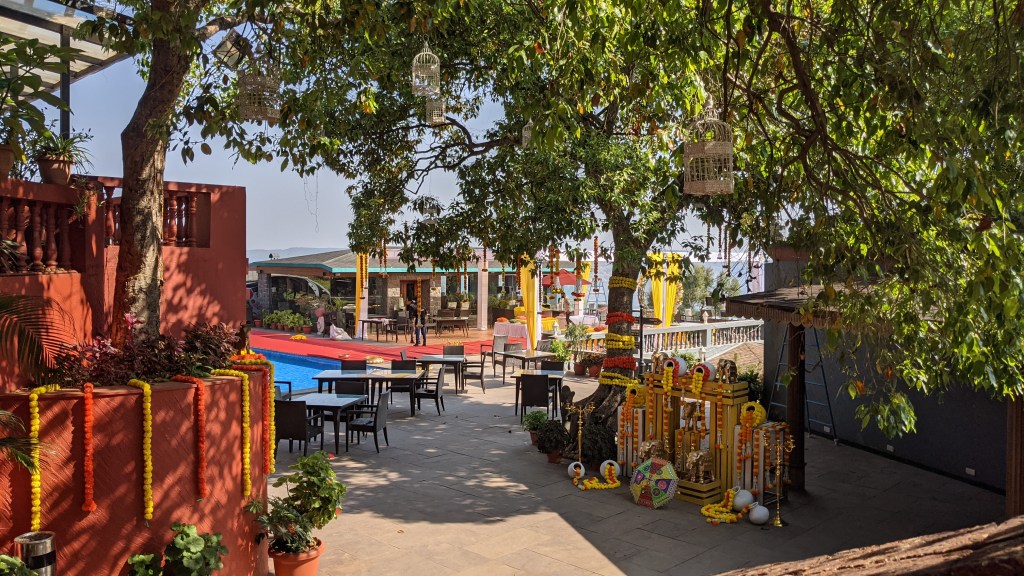
Wedding preparations at Brightland © Travelogue90

However, Joginder expressed concerns that there could be another lockdown with the rising cases. This might then halt their business plans. The Union Budget in February 2021 ignored the hospitality sector. The only hope is the statement of ICRA chief who mentioned there will be growth by 13 to 15% in FY22. They also added the overall growth should be in place by 2023 or 2024.

It was a relief to watch some wedding preparations on the day we were heading back home. Hopeful of normalcy, somewhere 🙂
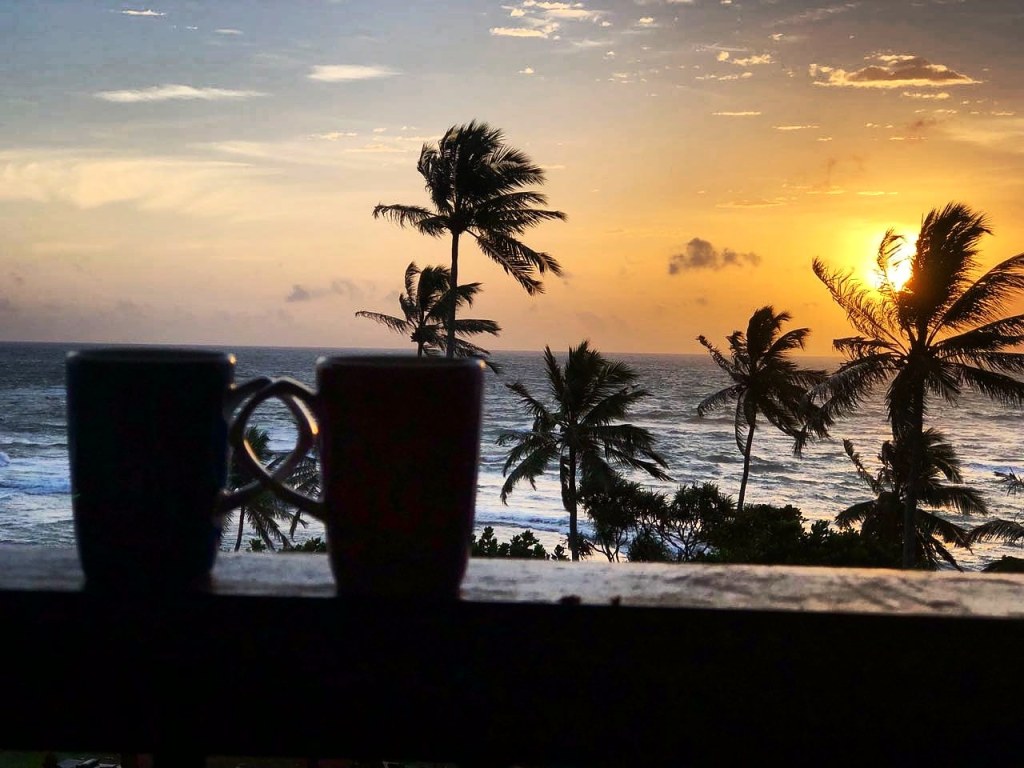
Beach Please! We all need some Vitamin ‘SEA’

Sri Lanka © Travelogue90

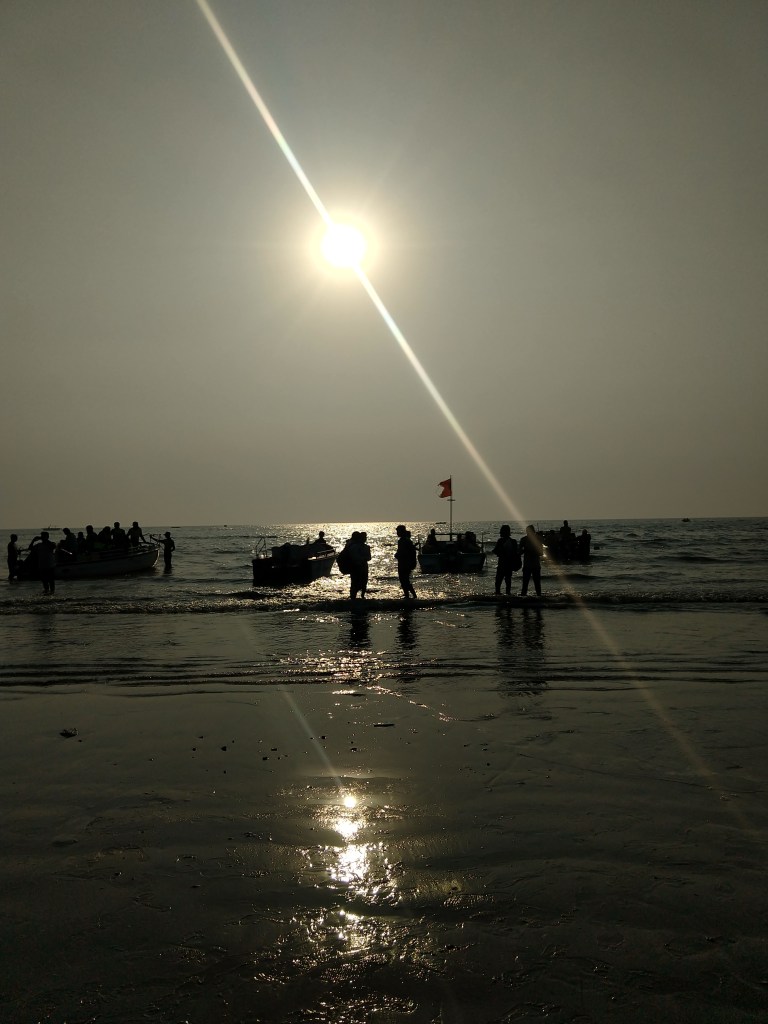
It is truly said, ‘an ocean breeze puts a mind at ease.’ The beach can make everything around better – life, body, mind, and spirit. Much of India’s coastline is about 7,000 kilometres and you could witness some incredible beaches around. You could either experience solitude here or party till the sunrises.

India’s population works so hard round the clock, that they reward themselves with a visit to the beach. What is so fascinating about the beach? The sun that sets the tone of the sea or the sparkling sand or the shacks or the sound of waves? It is a combination of all four that gravitates us over and over again.

While during this COVID-19 we secretly dream of living in a tropical island with palm-fringed trees or laying on the sun bed with a drink and book all day long like a crocodile, here is a throwback of some awesome beaches which you could visit post the pandemic:

Candolim, Goa © Travelogue90

Candolim, North Goa: Right from fishing to seaside yoga to flourishing markets to party culture to scenic views, the Candolim beach in North Goa offers it all. The beach is in proximity to a lighthouse and a church, completing the look and feel . The walk towards the beach is serene as you can see villas lit up on a cool December. The best time to visit Candolim is between November to April.

Varca Beach, Goa © Travelogue90

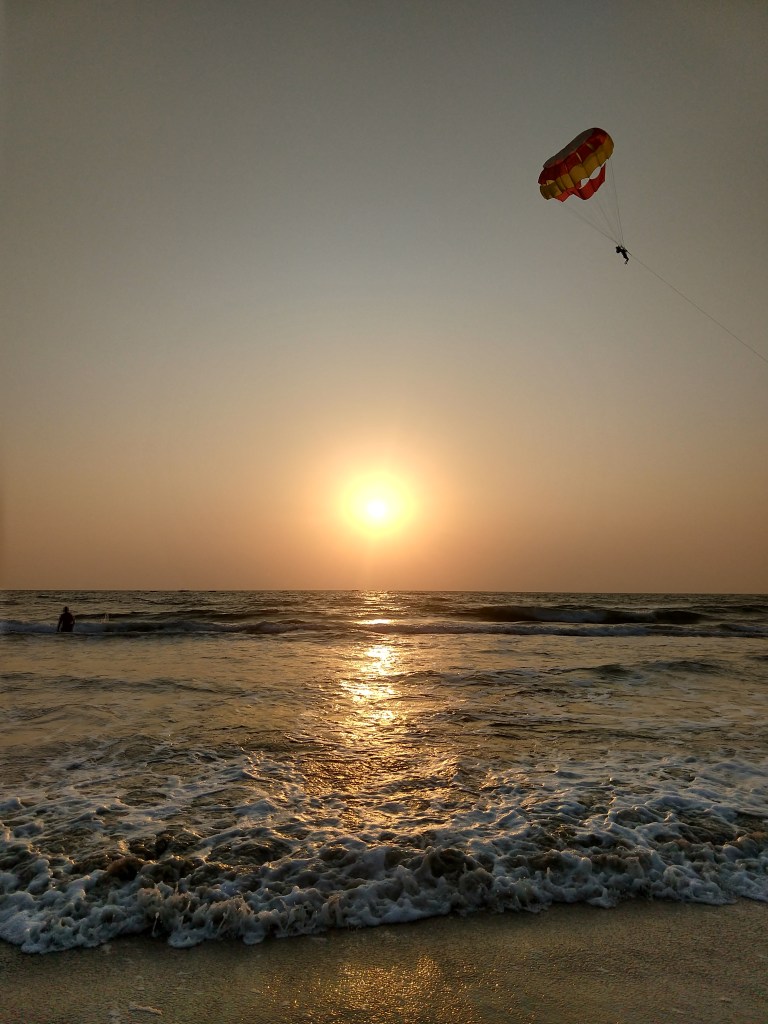
Varca Beach, South Goa: Another gem from the city and this time from the south, is Varca. One of the cleanest beaches in Goa, it is known for the calm and quietness. It is completely hawker-free and ideal for spending quality time with your loved ones. If you seek some me-time, this is the beach to be. There is some adventure for the typical ones, i.e. paragliding. Experience the view of South Goa from up above. Varca is best to visit between November to March.

Ganpatipule Beach © Travelogue90

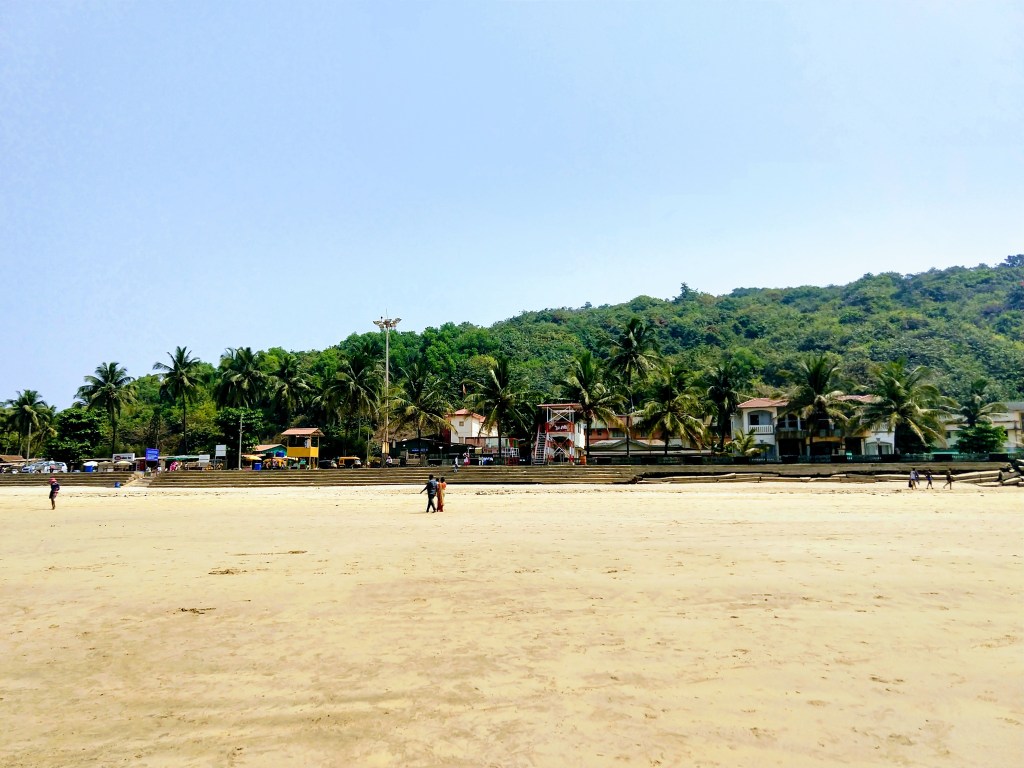
Ganpatipule Beach, Ganpatipule: Maharashtra is known for its rich coastal areas. One such place is Ganpatipule. City dwellers seek a break and come to Ganpatipule Beach as it provides the right combination of privacy and entertainment. Another clean beach in the Konkan, there are number of activities you can enjoy along with complete relaxation and scenic view. The beach is closer to the famous Ganesha temple. Best time to be here is between October to February.

Aare Ware Beach © Travelogue90

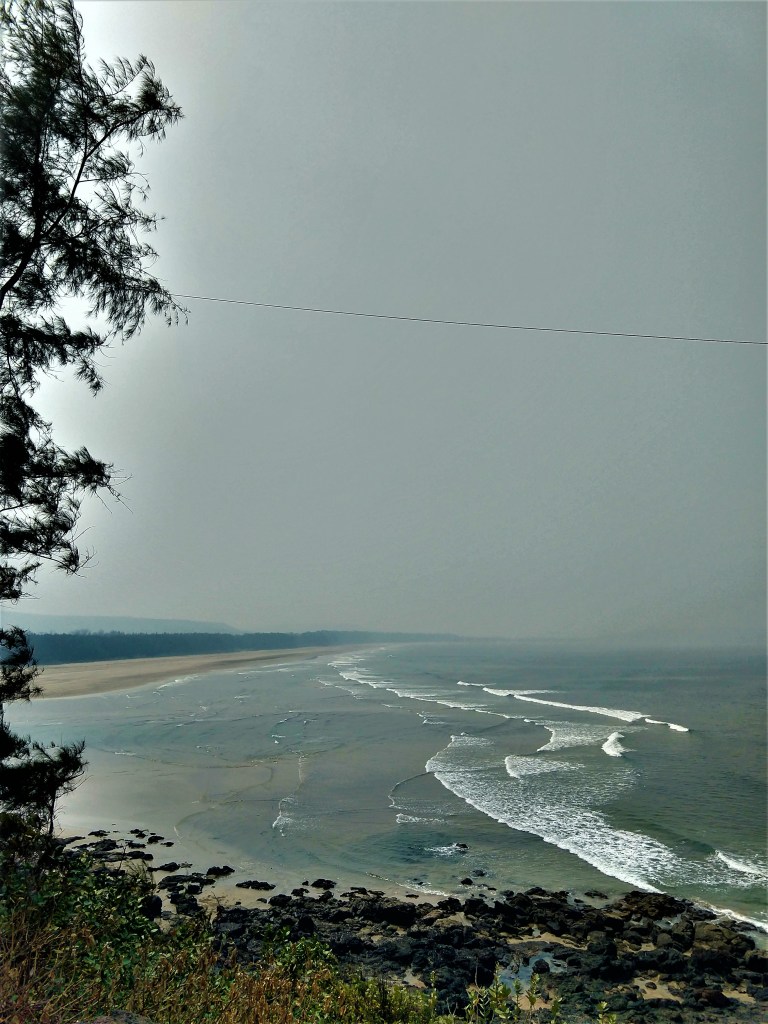
Aare Ware Beach, Ganpatipule: If you want to escape the crowd of Ganpatipule, head to the Aare Ware beach situated near Nevare Village in Ratnagiri. It is flanked by clean blue water and white sand. It is also one of the lesser-known beaches of Ganpatipule. The beach is 3km long and boasts of beautiful landscape. It captivates the solo traveller in you, thanks to the breathtaking views in the mornings and evenings.

Malgund Beach © Travelogue90

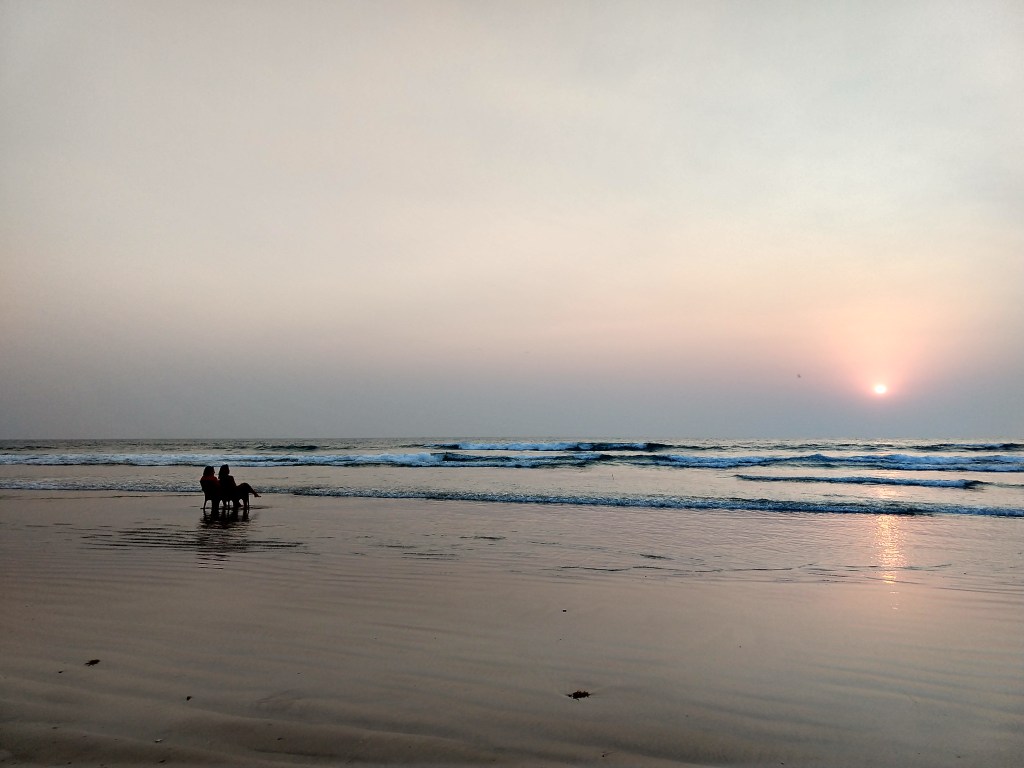
Malgund Beach, Ganpatipule: You can find this beach 6 kms away from Ganpatipule. It is renowned for the birth place of famous Marathi poet Keshavasta. He wrote many treatises in the language. The beach offers space to enjoy some isolation amidst the realm of nature. You could easily spend quality time with loved ones as it keeps commercialisation at bay and the landscape is a treat for your eyes.

Alibaug Beach © Travelogue90

Alibaug Beach, Alibaug: It is one of the beautiful beaches in Maharashtra and often thronged by the locals. Thanks to jaw-dropping scenic views and impeccable sunset, there is no dearth of visitors. Enjoy the spectacular views of the Arabian Sea at the beach between October to May. Do visit the Kolaba Sea fort, take a motorboat ride, and the animal rides at the beach.

Juhu Beach © Travelogue90

Juhu Beach, Mumbai: It is the most popular and crowded beaches in Mumbai. The beach is also closer to some of the luxurious hotels and celebrity homes. The moment you enter the beach, you will have street food calling you towards them, right from cheesy pav bhajji to chaat to ice candy. You can witness the sight of the aircraft landing at the airport, which is closer to the beach. It you want to get up-close and personal with nature, this is place that offers you solace. You might as well visit the ISKON temple nearby the beach.

Marina Beach © Travelogue90

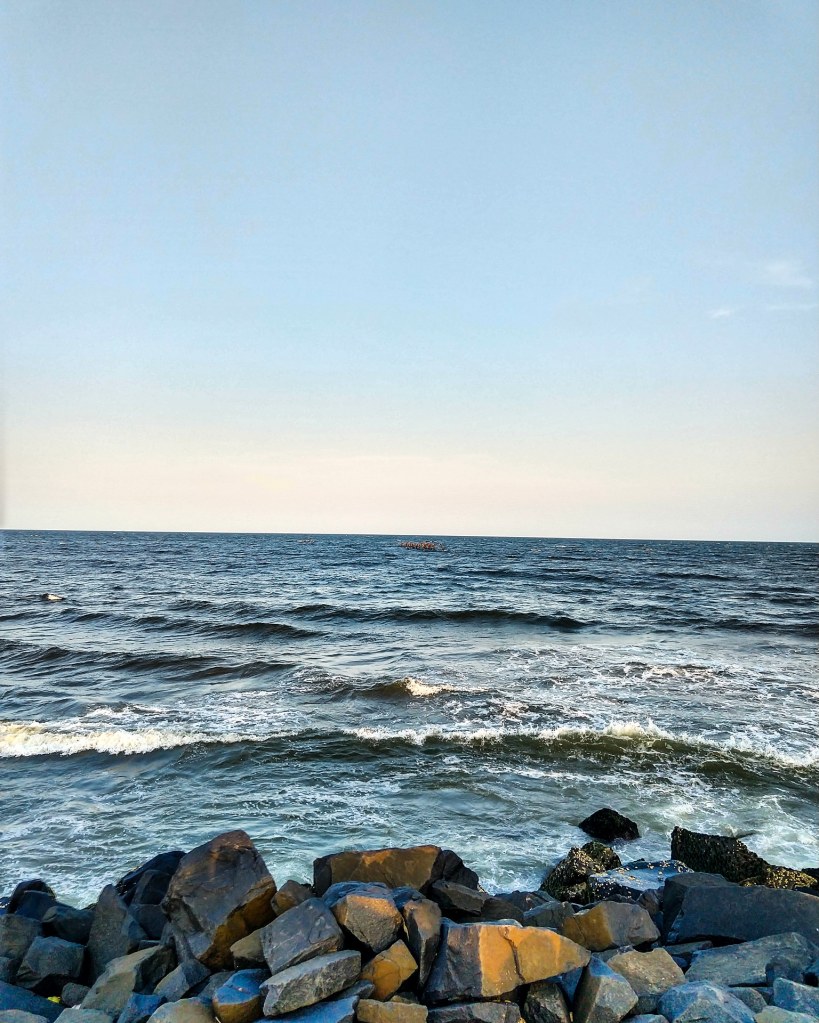
Marina Beach, Chennai: Moving down South is the second largest beach in the world, the Marina beach which is breathtakingly beautiful. If the nature and spectacular views were not enough to lure the beach bums, the historical monuments close by adds to the attraction. Come enjoy some idli-chutney with some beach view between November to February and rejuvenate.

Mahabalipuram beach © Travelogue90

Mahabalipuram Beach, Tamil Nadu: Sunny days, sandy beach, and rich history, this place has everything that a beach lover and adventurous soul needs. The beach is white, beautiful, and clean. It is abundantly enjoyed by tourists. If you visit during a full moon, you could watch the jaw-dropping reflection on the sea.

Rock Beach © Travelogue90

Rock Beach, Pondicherry: This place has numerous rocks attached to it beautifully. If you want to capture some stunning pictures of the sunrise and sunset you must surely head to the most serene place in Pondicherry. The most enticing beaches in the territory is best enjoyed with a croissant and walking by the promenade.

Let’s raise a toast to the beauty of the world! Remember, carry those shells in your pockets and sand in your shoes always 😉

Living in Mumbai city

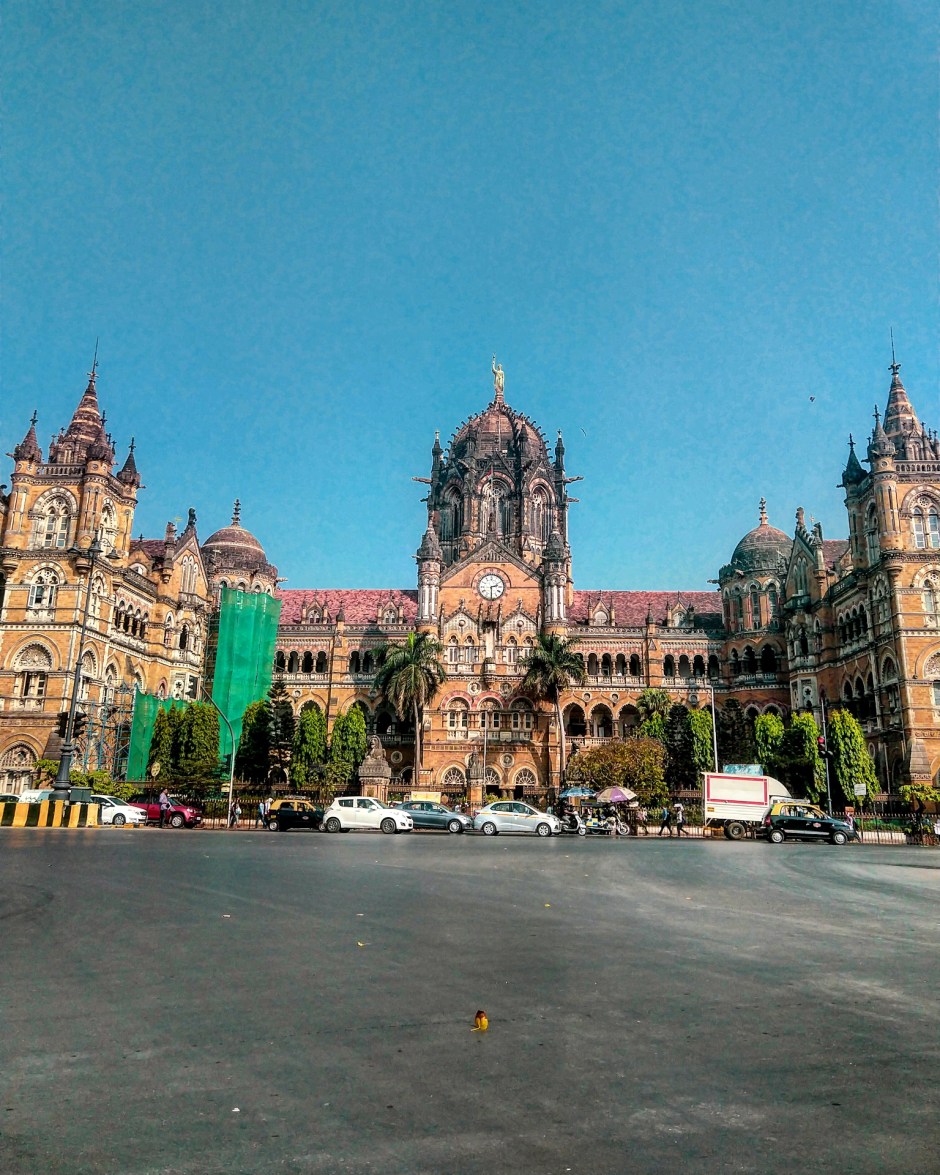
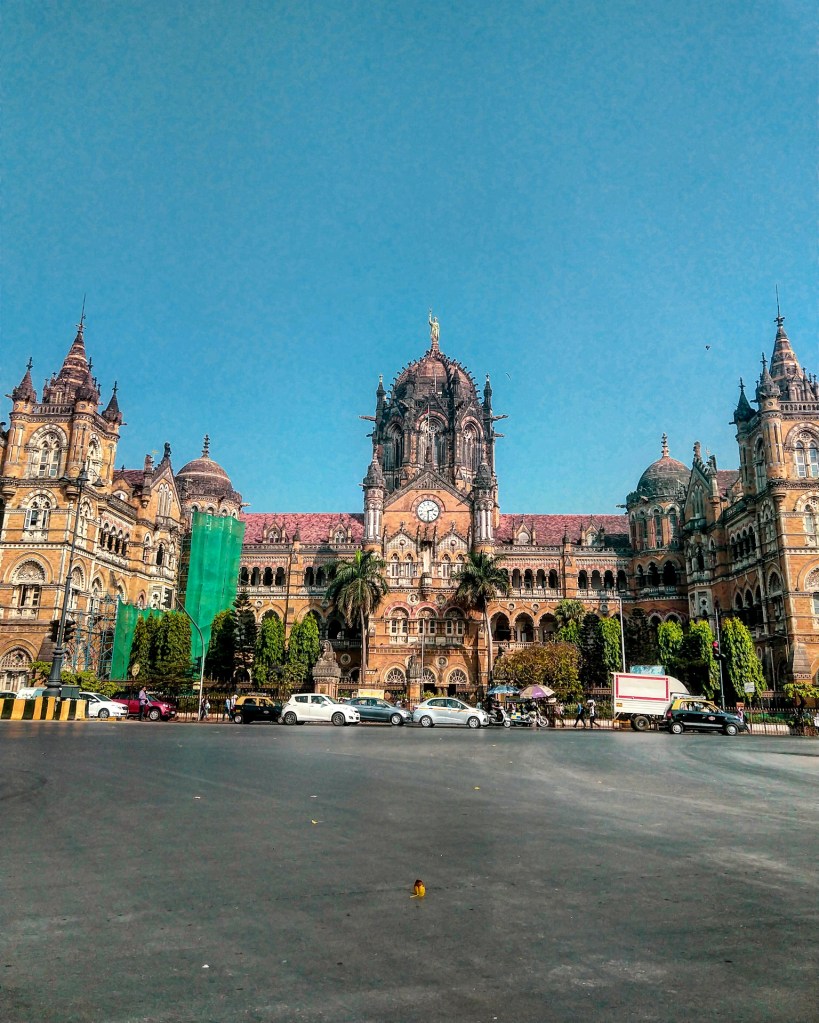
Chhatrapati Shivaji Maharaj Terminus, Mumbai © Travelogue90

No matter how much you write about Mumbai, the city takes you by surprise each day. Every day is eventful in Mumbai or its new counterpart Navi Mumbai. The city is a dream for array of people ranging from hard labourers to celebrities to gangsters to artists to servants to fisher folks to millionaires to stray dogs and exotic birds as well. You will find every element in Mumbai – a prolific film industry, Asia’s biggest slum, largest tropical forest, financial powerhouse, and fashion capital.

The city has so evolved that they have their own language – Bambaiyya Hindi, which is a mix of Hindi, English, Marathi, and it goes on. You need to know certain lingo thoroughly before approaching a local here. You may believe you are celebrating or weeping or getting frustrated alone. But Mumbai knows it all. It is aware of all your emotions. It sometimes, celebrates or weeps or lifts your mood when angry. Here is how –

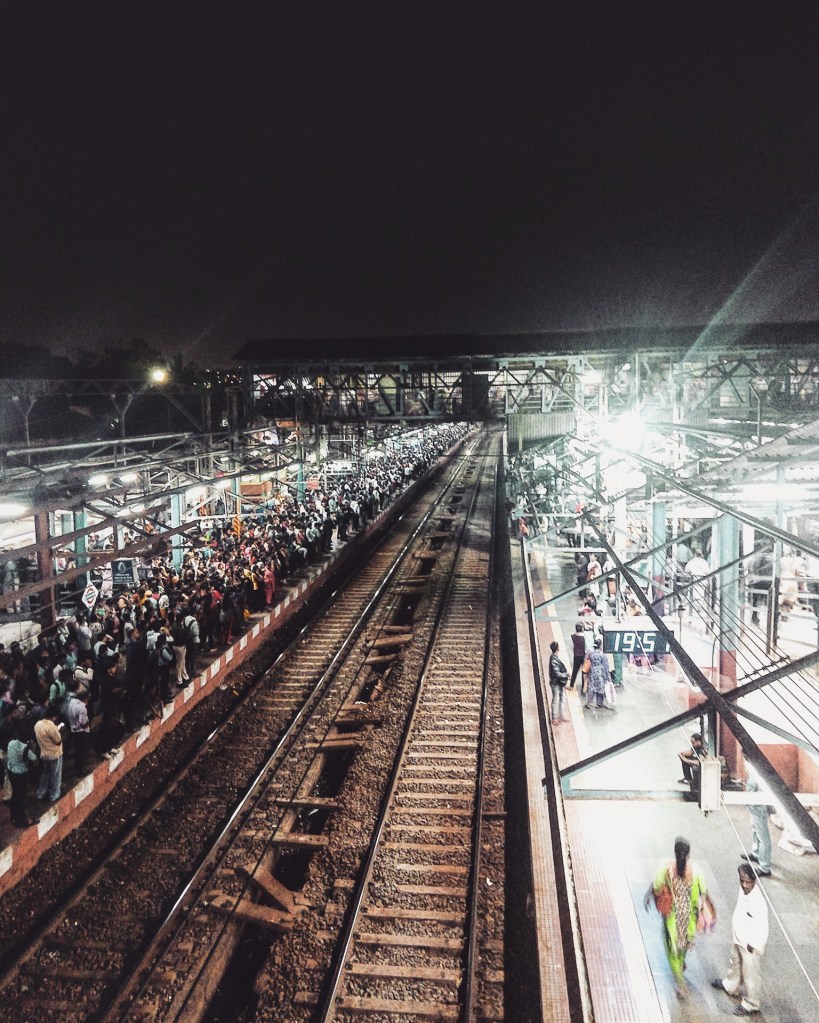
Kurla Station © Travelogue90

Local trains: It is the heartbeat of Mumbai. Travelling by local trains here is an art that you master eventually, especially if you are a first-timer. Before learning about how things work inside the local train, you should know about the different railway lines. There are four railway lines that interconnects the different regions of Mumbai – Western Line (Virar-Churchgate and vice versa), Central Line (Kasara-CSMT and vice versa), Harbour Line (Panvel-CSMT and vice versa), and Trans-Harbour Line (Thane-Vashi and vice versa).

Every railway line have some instructions after getting inside the local train. You need to adhere to them, else be prepared for a verbal spat. This verbal spat rarely turns to a physical clash and the surrounding people consider it rather a fun event. Some local train journeys are fun. You become part of a group, especially if you travel at particular time every day. These groups celebrate your birthdays and festivals, and listen to your patiently when in distress. Soon you will have a new WhatsApp group called ‘Train Friends.’ Other times, local train journey is also a ‘me time’ – reading books, enjoying some music, or taking a short nap.

Yes, everything happens inside a local train! Train travellers are fearless at times. Why so? They take the train during heavy downpour, they are aware of some overhead bridges being wonky and yet, millions stomp over them every day, or wait for hours despite knowing the trains are late.

South Mumbai © Travelogue90

Being touristy: I remember in one of my Instragam posts during World Tourism Day, I mentioned how much fun it is to be a tourist in your city. After living in Mumbai for 29 years, this place still makes me feel like a tourist. Be it the suburbs or central or South Mumbai or Navi Mumbai, every region has its charm. There is something new to look up to every day. My personal favourite spot in Mumbai is South Mumbai, not because it is closer to the Arabian Sea but because Mumbai made home amidst the ruins of the British architecture. There are travel groups that conduct heritage walk on weekends early morning in South Mumbai. It is when the roads are empty and you walk as a free bird.

The charm of South Mumbai is unmatched be it the famous Victoria Terminus or Horniman Circle or Fort or Kala Ghoda or the famous Wankhede Stadium or Nariman Point or Azad Maidan. You also have some age-old restaurants, cafes, and movie theaters that make you come back to this part of the city.

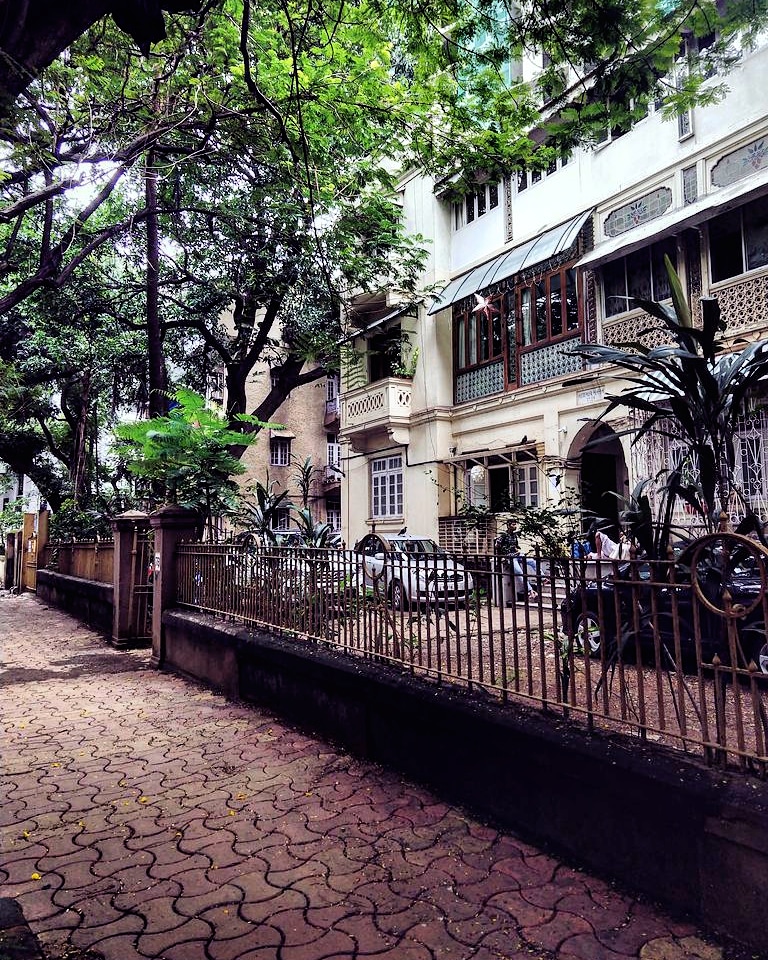
Parsi Colony © Travelogue90

The other part of Mumbai where you can get all touristy is the Parsi colonies. The Parsi community, originally from Iran, is said to have created Bombay as it is today. Besides, they have also given Mumbai some iconic buildings that adorn the streets. The Five Gardens is what I looked past for years but saw it closely during their New Year called Navroze.

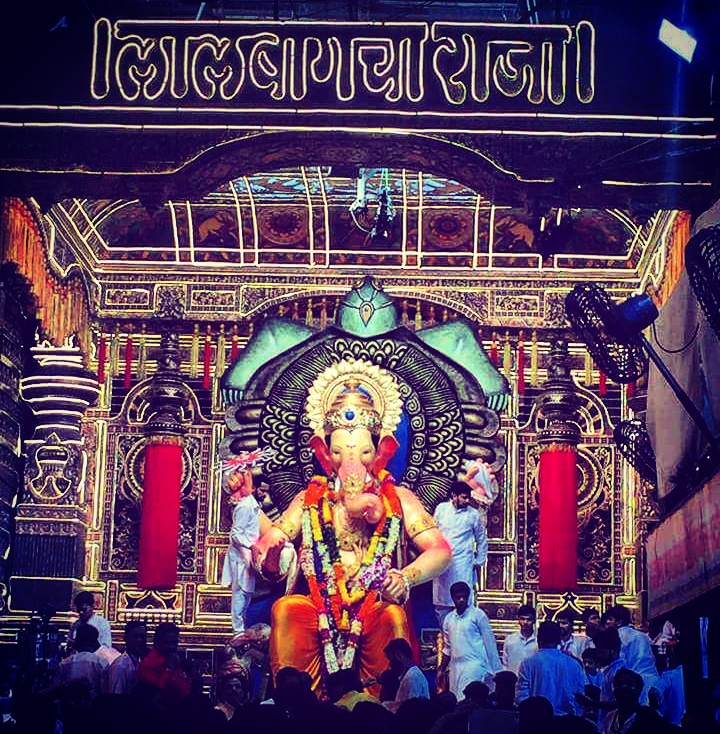
Lalbaugcha Raja © Travelogue90

Festivals: Considering there are people of every caste and religion living in Mumbai, all festivals are celebrated with pompous. One of the festivals that sees entire Mumbai city coming together is Ganesh Chaturthi. Some of the famous pandals like Lalbaugh, GSB, Andhericha Raja, Parelcha Raja, begin their preparations for the next year as soon as the 10-day festival comes to an end. Dusshehra is also the festival where Mumbai’s bongs throng the pandals. Diwali is another intense festival in Mumbai. The Festival of Lights is a time for positivism and joy. You can view the entire city lit up from the Chowpatty Beach or Marine Drive. Festivals like Ramzan and Bakr Eid are also celebrated at a large scale.

Siddhivinayak Temple © Travelogue90

Religious places: Be it in good times or bad, one place where people seek solace is the religious places. Some of the prominent religious spots in Mumbai are Siddhivinayak Mandir, Mahalaxmi Temple, Haji Ali Dargah, Mahim Church, and Mount Mary. Tuesdays are auspicious for Siddhivinayak, Friday’s are Jummah Mubarak for the Muslims, Mahim Church on Wednesdays, and Mount Mary is particularly famous during the Mount Mary fair which takes place every year around September or October.

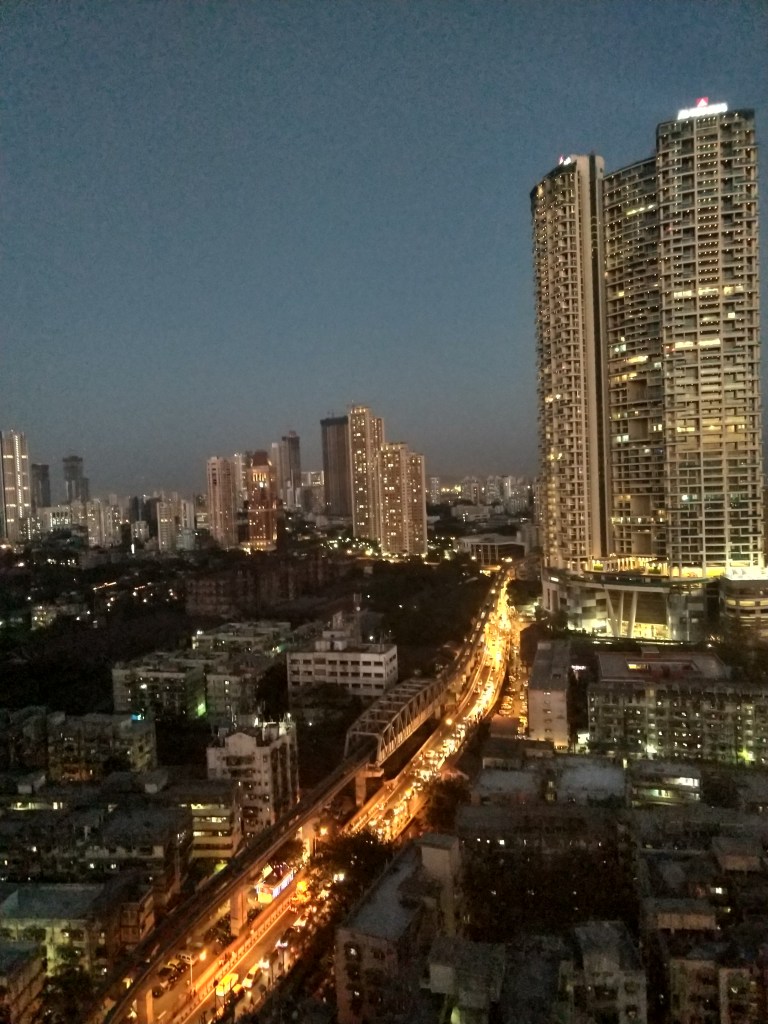
Mumbai © Travelogue90

Traffic: A recent study in Times of India revealed that the motorists in Mumbai face the worst traffic jam, not only from the city perspective but also at an international level. In the financial capital, people spend 65 per cent longer time on the roads during peak hours on an average than when the roads are free. The peak hours are typically in the mornings and evenings, i.e. when people commute for work. Mumbaikars have found solution to this as well. Nowadays, thanks to the assistance from Mumbai Police on Twitter, the traffic woes get resolved instantly.

Mumbai rains © Travelogue90

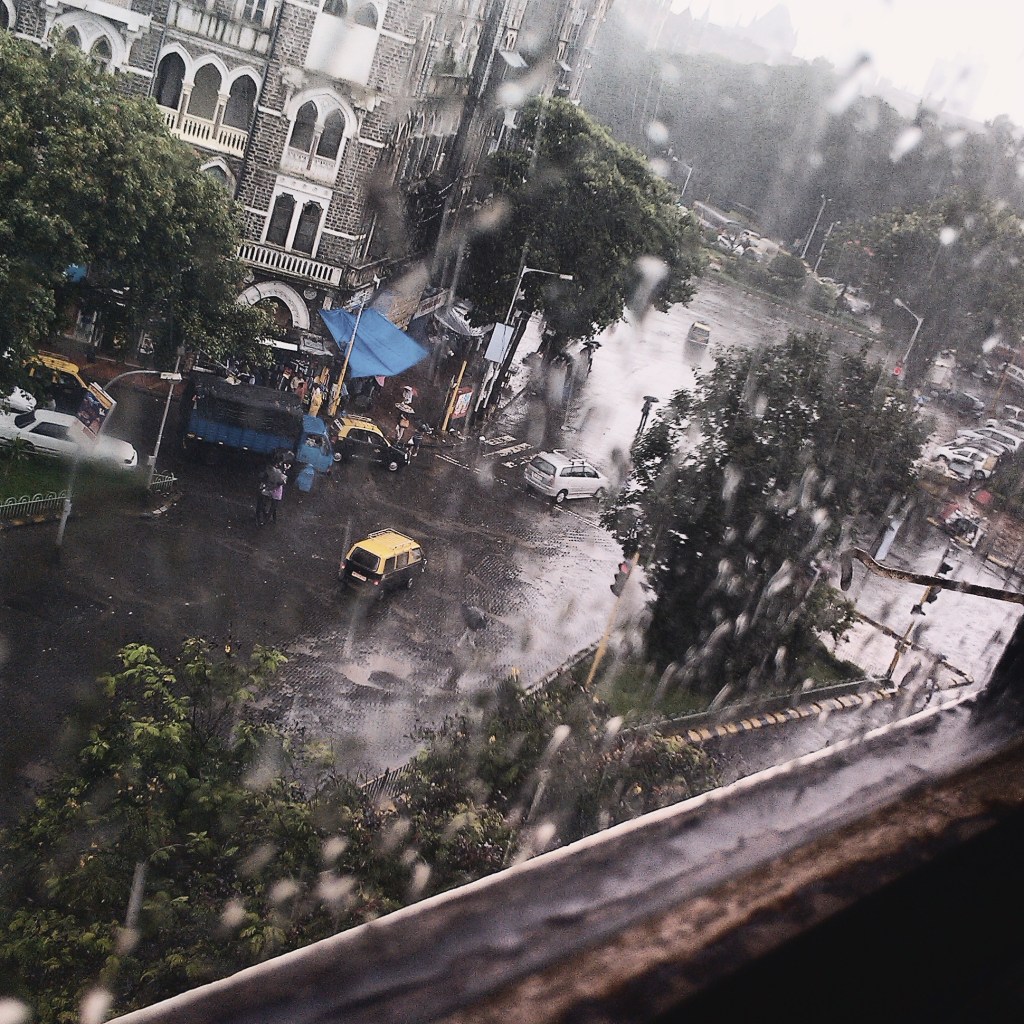
Weather: Mumbai have literally learnt the art of weathering the storm, sun, and winters (oh, that does not exists in Mumbai). While people wait for the monsoons after a sultry summer, an extended one is what brings the city to a halt. Sometimes, floods force you to stay indoors. The July 26, 2005 rains tested Mumbai’s patience. Three days the city witnessed no electricity, no network connection, and every local transport stood still. People returned home on trucks the next day while others returned from their workplace and schools only after the flood receded. The spirit of Mumbai was lauded as those indoors, reached out to the ones stuck around their area and provided them food, from day to night. It still gets appreciated, thanks to the unusual weather.

Mumbai sky drama © Travelogue90

Then you have sky porn, the weather beaming with joy and spreading happiness around. Makes you want to drop everything and dance with the clouds.

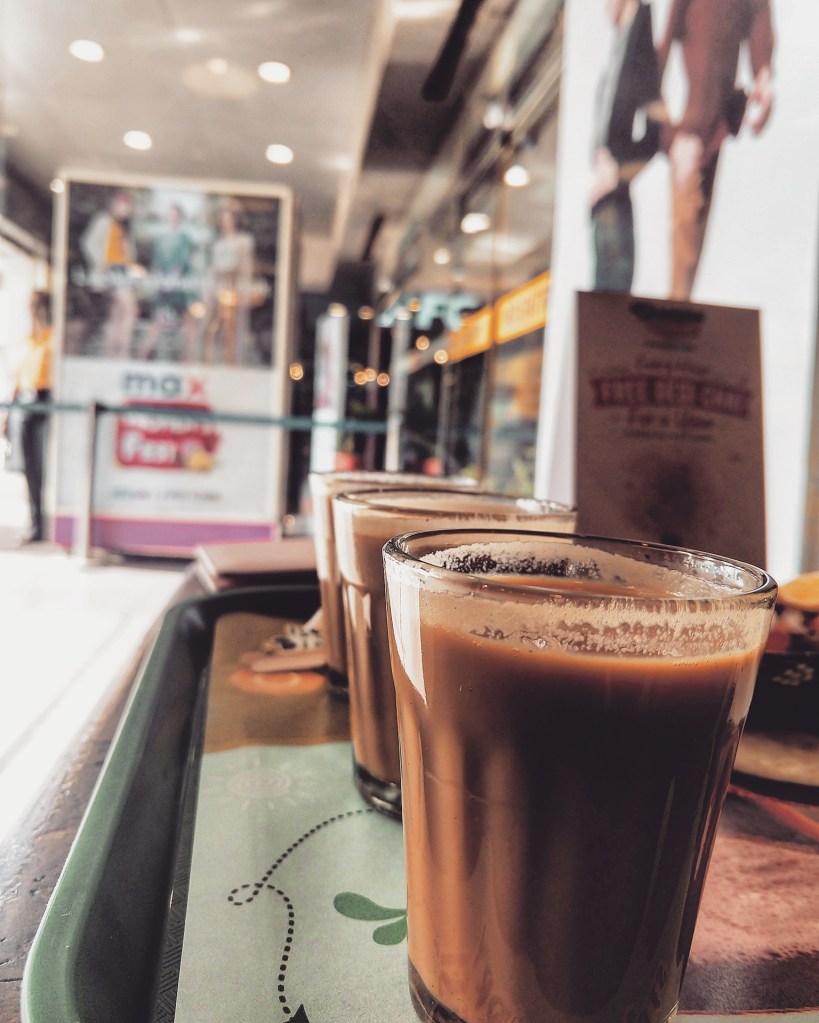
Chai (tea) © Travelogue90

Food: Mumbai and food go hand-in-hand. The food ranges from street food to high-end multi-cuisine. You head to a Muhammad Ali road and you will find authentic Muslim and Turkish food items all day long. On the eve of Ramadan, they are open till 4 AM. Heading straight to Khau Galli in Ghatkopar and Mulund, you will find array of Maggie recipes, wada pav, varied types of sandwiches, etc. A food connoisseur should head to South Mumbai for trying restaurants and cafes such as Bademiyan for some awesome biryani, Cafe Mondegar and Leopold for burgers and Chinese food, Cafe Excelsior for their egg items, Haji Ali juice centre for their yummylicious falooda, Delhi Darbar for Indian meals, Cafe Noorani, Kyani and Co for its Kheema Pav, Britannia for some excellent Irani tea.

Cincin © Travelogue90

Come to the suburbs like Andheri, Bandra, Vile Parle, Khar, Santacruz, and Juhu, you will mostly find high-end restaurants as well as affordable cafes offering multi-cuisines (Italian, Thai, Chinese, Mexican, and American). Even central Mumbai (Lower Parel, Shivaji Park, Dadar) has become a prominent spot for lunch and dinner scenes, right from fine-dining to affordable lounges.

Navi Mumbai © Travelogue90

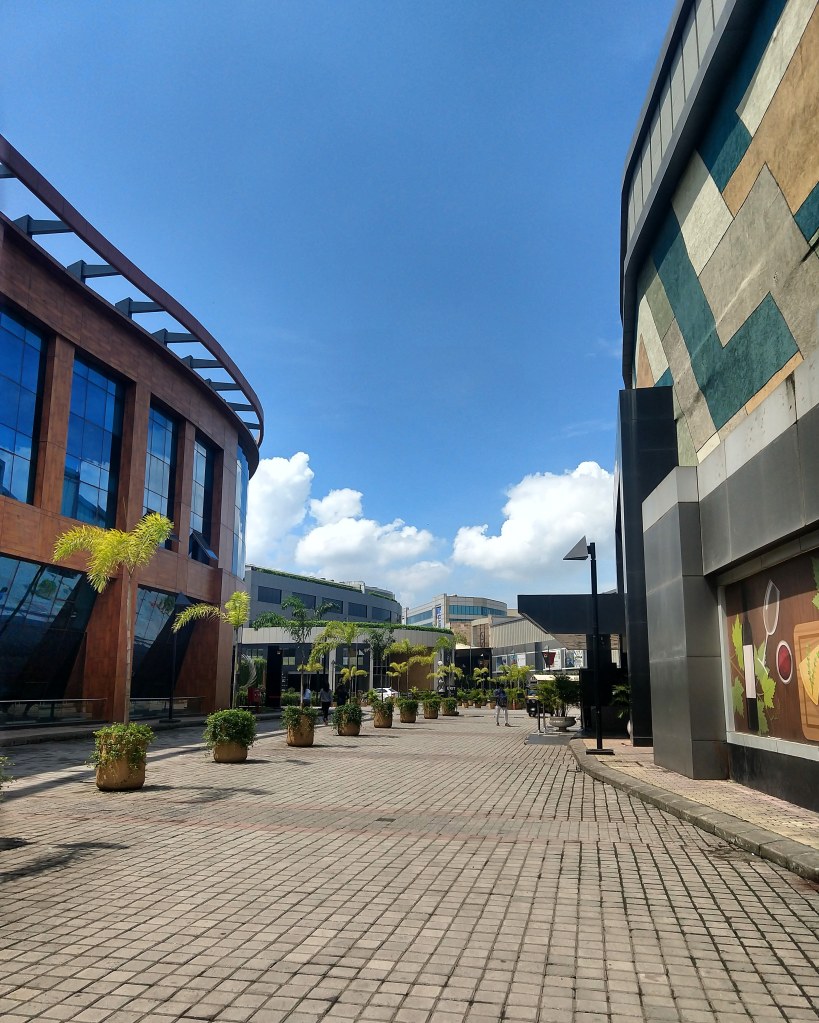
Navi Mumbai: One of the areas that is slowly and steadily matching the standards of Mumbai is Navi Mumbai. You can find all the restaurants, cafes, malls, and soon an international airport, as you would find in Mumbai. Navi Mumbai too is closer to the Arabian Sea and also near to holiday spots within Maharashtra such as Lonavala, Khandala, Panchgani, Mahabaleshwar, Pune, and Nashik. A road drive from Navi Mumbai to these places is what makes holidays worthwhile. Navi Mumbai also has awesome road connectivity taking you to places like Thane, Mulund, suburbs such as Bhayandar, Mira Road, Dahisar, Borivali, Kandivali, in a span of two hours.

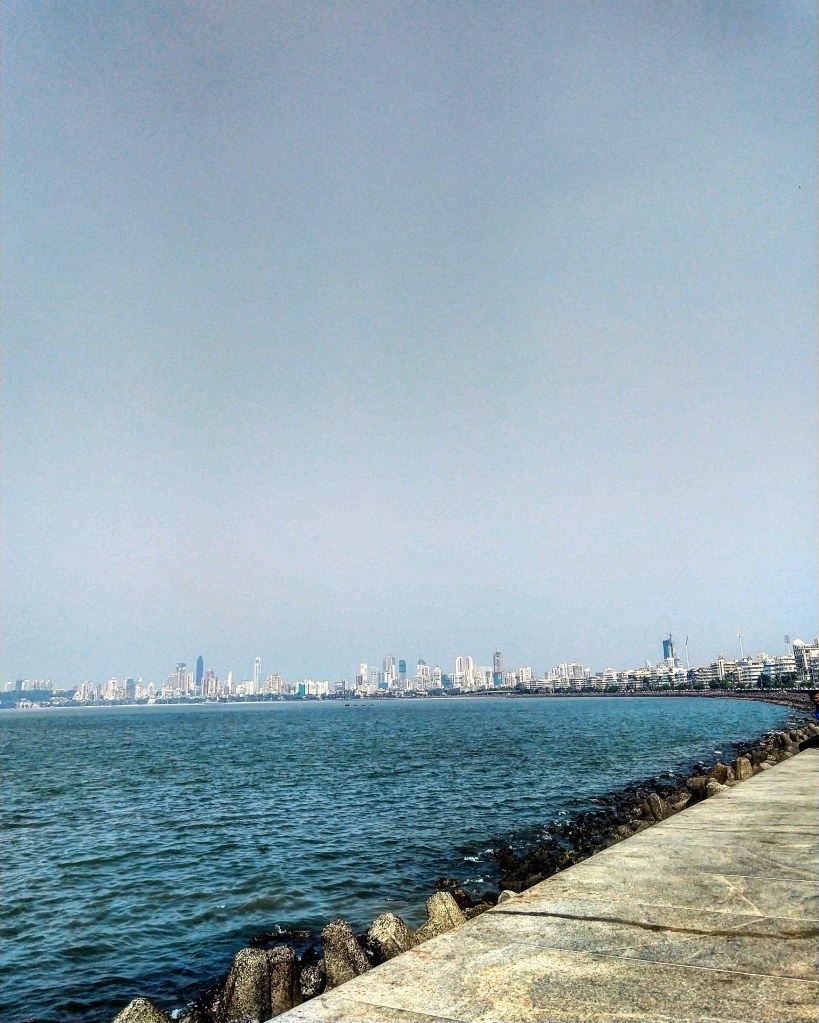
Marine Drive © Travelogue90

Anyone would be a fool if they do not mention Marine Drive while writing about Mumbai. For me Marine Drive is a place where I find all my answers by just listening to the waves splashing the rocks. I find calmness with the warm wind in my hair. The sea, I believe, is the final piece of every Mumbaikars puzzled life.

So, when you visit Mumbai for a long-haul, give yourself time to soak in these facets. Appreciate its lilting cadences, its harmony of excess and restraint. Sit back, develop the equanimity, and dance to the tunes of Mumbai.